
A showroom manager on a main road on Dublin's southside rang us at 7.40am one morning. He had just opened up to find silver tag lines sprayed across his fascia and a crack running through one glass panel. His first instinct, he admitted later, was to send a staff member out with a bottle of […]
How Professional Cleaning Helps Businesses Meet Health and Safety Standards
Health and safety standards are a critical responsibility for businesses in Ireland. Maintaining a clean and hygienic workplace is not just about appearance. It plays a direct role in preventing accidents, reducing health risks, and ensuring compliance with workplace regulations. Professional cleaning services support businesses by providing consistent, structured cleaning that aligns with health and safety expectations.
By investing in professional cleaning, businesses create safer environments for employees, clients, and visitors while reducing the risk of compliance issues.
The Link Between Cleanliness and Workplace Safety
Clean workplaces are safer workplaces. Dirt, spills, clutter, and poorly maintained surfaces increase the risk of slips, trips, and falls.
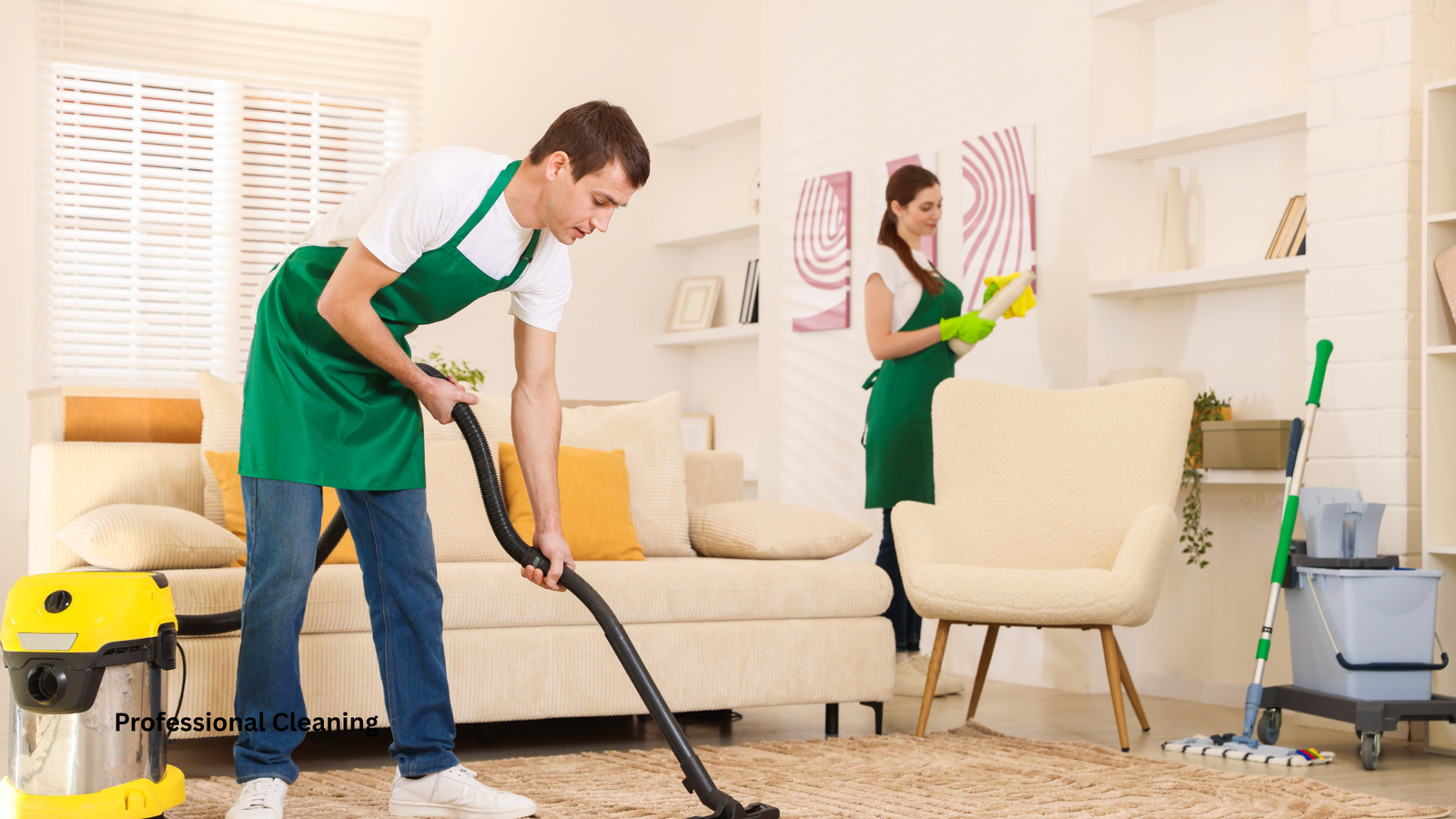
Professional cleaning ensures that floors are kept clean and dry, waste is removed regularly, and high-risk areas receive proper attention. Clear walkways and well-maintained communal spaces reduce accident risks and support a safer working environment.
For businesses in Ireland, these preventative measures are essential in meeting workplace safety obligations.
Supporting Hygiene and Infection Control
Hygiene is a key component of health and safety. Shared spaces such as offices, washrooms, kitchens, and meeting rooms can quickly become sources of contamination if not cleaned properly.
Professional cleaners focus on disinfecting high-touch surfaces such as door handles, desks, switches, and shared equipment. Regular sanitisation reduces the spread of bacteria and viruses, helping protect employee health.
This level of hygiene is particularly important in environments with high foot traffic or close interaction between staff.
Meeting Regulatory Expectations in Ireland
Irish workplace regulations require employers to provide safe and hygienic working conditions. Failure to maintain cleanliness can result in complaints, inspections, or legal issues.
Professional cleaning services understand these expectations and follow structured cleaning procedures that support compliance. Proper waste management, clean washrooms, and hygienic kitchens all contribute to meeting regulatory standards.
By working with experienced cleaning providers, businesses reduce the risk of non-compliance and demonstrate responsible management practices.
Reducing Workplace Illness and Absenteeism
Poor cleaning can lead to increased illness among employees. Dust, germs, and unclean surfaces contribute to the spread of infections.
Professional cleaning helps minimise these risks by maintaining high hygiene standards. Fewer illnesses lead to reduced absenteeism and more consistent productivity.
For businesses, this translates into improved performance and reduced disruption to daily operations.
Creating a Safer Environment for Employees and Visitors
Health and safety standards apply not only to employees but also to clients and visitors. Clean entrances, reception areas, and shared spaces create safer and more welcoming environments.
Professional cleaning ensures that public-facing areas are maintained to a high standard. Clean floors, sanitised surfaces, and properly maintained washrooms reduce risks and enhance comfort.
This attention to safety supports positive experiences for everyone who enters the building.
Proper Handling of Cleaning Products and Equipment
Professional cleaners are trained to use cleaning products and equipment safely. Incorrect use of chemicals can pose health risks and damage surfaces.
Professional cleaning companies select appropriate products and follow safety guidelines. This ensures effective cleaning without introducing new hazards.
For businesses, this removes the need to manage product safety and training internally.
Managing Waste and Hygiene Risks
Effective waste management is an important part of health and safety. Overflowing bins and improper disposal can attract pests and create hygiene issues.
Professional cleaning services ensure waste is removed regularly and handled correctly. This helps maintain cleanliness and reduces potential health risks.
Consistent waste management supports a cleaner and safer workplace.
Maintaining High Standards in High-Risk Areas
Certain areas require extra attention to meet health and safety standards. Washrooms, kitchens, and high-traffic zones are particularly important.
Professional cleaners follow detailed procedures for these areas, ensuring thorough cleaning and sanitisation. This reduces risks associated with contamination and poor hygiene.
High standards in these areas are essential for compliance and employee wellbeing.
Documentation and Accountability
Professional cleaning services often operate with documented procedures and quality checks. This adds a level of accountability that supports health and safety management.
Clear records and consistent practices demonstrate that cleaning is taken seriously. This can be beneficial during inspections or audits.
Businesses benefit from having reliable cleaning systems in place that support compliance efforts.
A Proactive Approach to Health and Safety
Professional cleaning helps businesses take a proactive approach to health and safety rather than reacting to issues after they arise.
By maintaining cleanliness consistently, businesses reduce risks, protect their people, and meet regulatory expectations more effectively.
For businesses in Ireland, professional cleaning is an essential part of creating safe, compliant, and productive workplaces.

The fire itself lasted minutes. An electrical fault in a printer corner of a Dublin 2 office, caught early, out before the fire brigade even finished checking the building. The soot was a different story. The next morning the office manager found a grey film on desks two rooms away and black webs hanging in […]
A few winters ago, our phone rang at ten past six in the morning. A facilities manager on the other end, standing outside a ground floor office near the Dodder, trying to keep his voice level. The water had come in overnight and gone back out on its own. What it left behind was worse […]
A property manager at a multi tenant office block near Grand Canal Dock rang us on a Tuesday, standing in the bin store while he talked. The mixed dry recycling for the whole building had been tagged as contaminated two collections running, with a surcharge attached both times, and now the bin was overflowing into […]