

A showroom manager on a main road on Dublin's southside rang us at 7.40am one morning. He had just opened up to find silver tag lines sprayed across his fascia and a crack running through one glass panel. His first instinct, he admitted later, was to send a staff member out with a bottle of […]
How to Clean a Commercial Kitchen: Expert Tips for Sparkling Results
Cleaning a commercial kitchen is essential for health and safety. Follow these steps to keep it spotless.
A clean commercial kitchen ensures the safety of your food and staff. It also helps maintain hygiene standards and prevents contamination. The process might seem overwhelming, but with the right plan, it becomes manageable. This guide will show you the most effective ways to clean your kitchen.
From scrubbing surfaces to sanitizing equipment, you'll learn how to maintain a pristine environment. Regular cleaning not only extends the life of your appliances but also keeps health inspectors happy. Dive in to discover the best practices for keeping your commercial kitchen sparkling clean.
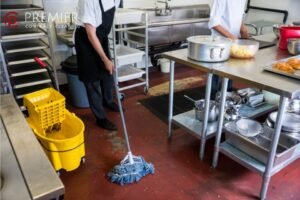
Importance Of Kitchen Cleanliness
Keeping a commercial kitchen clean is essential for the smooth operation of any food-related business. The importance of kitchen cleanliness goes beyond just aesthetics; it impacts health, safety, and regulatory compliance. A clean kitchen not only ensures that food is safe to eat but also boosts the morale of the staff working in it.
To Get The Best Commercial Cleaning Services - Click Here
Health Benefits
A clean kitchen is critical for preventing foodborne illnesses. Bacteria and viruses can thrive in dirty environments, leading to contamination. Regular cleaning reduces these risks and ensures the food prepared is safe for consumption.
Here are some health benefits of maintaining a clean kitchen:
- Reduces the spread of bacteria: Regular cleaning and sanitizing surfaces prevent bacteria like Salmonella and E. coli from spreading.
- Prevents cross-contamination: Cleaning tools and surfaces thoroughly reduces the risk of cross-contamination between raw and cooked foods.
- Improves air quality: Removing grease and grime from surfaces and vents ensures better air quality, reducing respiratory issues among staff.
In addition to these benefits, a clean kitchen also enhances the overall dining experience for customers. They are more likely to trust and return to a restaurant that prioritizes cleanliness.
Regulatory Compliance
Compliance with health and safety regulations is non-negotiable in the food industry. Failure to meet these standards can result in hefty fines, legal issues, and even closure of the business.
Maintaining a clean kitchen ensures adherence to regulations set by health authorities. These regulations cover a wide range of practices, from proper food storage to regular sanitization of surfaces.
Key aspects of regulatory compliance include:
| Regulation | Requirement |
| Food Storage | Store food at correct temperatures to prevent spoilage and bacterial growth. |
| Sanitization | Regularly sanitize all surfaces, utensils, and equipment. |
| Pest Control | Implement a pest control plan to keep insects and rodents away. |
Meeting these standards not only ensures the safety of the food served but also builds trust with customers and health inspectors. A clean kitchen is a cornerstone of any successful food establishment.
Daily Cleaning Tasks
Keeping a commercial kitchen clean is essential for food safety and hygiene. Daily cleaning tasks play a crucial role in maintaining a spotless kitchen. These tasks ensure that all surfaces, equipment, and floors remain free of contaminants. This guide will help you understand the daily cleaning tasks required to keep your commercial kitchen in top shape.
Surfaces And Counters
Surfaces and counters in a commercial kitchen can harbor bacteria and germs. Regular cleaning is key to maintaining a hygienic environment. Follow these steps to keep surfaces and counters clean:
- Wipe down all counters: Use a damp cloth and a mild detergent. This removes food particles and spills.
- Sanitize surfaces: Apply a food-safe sanitizer to all surfaces. Leave it on for the recommended time to ensure effectiveness.
- Clean cutting boards: Wash cutting boards with hot, soapy water. Sanitize them to prevent cross-contamination.
- Disinfect handles and knobs: Use a disinfectant to clean handles and knobs on cabinets, refrigerators, and ovens.
A helpful routine table for surface and counter cleaning:
| Task | Frequency |
| Wipe down counters | Daily |
| Sanitize surfaces | Daily |
| Clean cutting boards | After each use |
| Disinfect handles and knobs | Daily |
Floors And Equipment
Floors and equipment in a commercial kitchen need daily attention. Proper cleaning prevents slips, falls, and equipment malfunction. Follow these steps:
- Sweep and mop floors: Remove debris and spills. Use a mop with a floor cleaner suitable for kitchen use.
- Clean cooking equipment: Wipe down stoves, ovens, and grills. Remove grease and food particles.
- Sanitize sink and faucet: Clean and sanitize the sink and faucet. This prevents the spread of germs.
- Empty trash bins: Dispose of trash daily. Clean and disinfect the bins to avoid unpleasant odors.
To ensure thorough cleaning, follow this table of daily tasks:
| Task | Frequency |
| Sweep and mop floors | Daily |
| Clean cooking equipment | Daily |
| Sanitize sink and faucet | Daily |
| Empty trash bins | Daily |
By following these daily cleaning tasks, you can maintain a clean and safe commercial kitchen. Consistent effort ensures a hygienic environment for preparing and serving food.
Weekly Cleaning Routine
Maintaining a clean commercial kitchen is essential for food safety and efficiency. A well-planned weekly cleaning routine can help you stay on top of hygiene and organization. By focusing on deep cleaning appliances and organizing storage areas, you can ensure a spotless and well-organized kitchen that meets health standards.
Deep Cleaning Appliances
Deep cleaning your appliances every week is crucial. It ensures they operate efficiently and last longer. Here’s a step-by-step guide to help you:
- Ovens: Remove racks and soak them in warm, soapy water. Wipe down the interior with a non-abrasive cleaner. Scrub away any burnt food or grease.
- Refrigerators: Empty the contents and discard expired items. Wipe shelves with a mixture of water and baking soda. Clean the door seals with a mild detergent.
- Fryers: Drain the oil and filter it if you plan to reuse it. Scrub the interior with a fryer cleaner. Rinse thoroughly to remove any residue.
- Grills: Scrape off any food particles with a grill brush. Use a degreaser to clean the surface. Wipe down with a damp cloth.
Here is a quick reference table for weekly appliance cleaning:
| Appliance | Cleaning Steps |
| Ovens | Remove racks, soak, wipe interior |
| Refrigerators | Empty, wipe shelves, clean seals |
| Fryers | Drain oil, scrub interior, rinse |
| Grills | Scrape, degrease, wipe down |
Organizing Storage Areas
Keeping storage areas organized is key to a functional kitchen. It helps you find ingredients quickly and prevents cross-contamination. Follow these tips to keep your storage areas in order:
- Label Everything: Use clear labels for all containers. This helps staff identify contents quickly.
- First In, First Out (FIFO): Place newer items behind older ones. This ensures older stock is used first, reducing waste.
- Group Similar Items: Store similar ingredients together. For example, keep all spices in one section and canned goods in another.
- Clean Shelves Weekly: Wipe down shelves with a disinfectant. Remove any spills or crumbs to prevent pest infestations.
- Use Clear Containers: Clear containers help you see contents at a glance. This saves time and keeps your storage area tidy.
Here’s a quick checklist for organizing storage areas:
| Task | Frequency |
| Label containers | Weekly |
| Apply FIFO | Daily |
| Group similar items | Weekly |
| Clean shelves | Weekly |
| Use clear containers | Ongoing |
To Get The Best Commercial Cleaning Services - Click Here
Monthly Maintenance Checklist
Maintaining a clean commercial kitchen is vital for health and safety. A Monthly Maintenance Checklist helps ensure all areas are in top condition. Regular tasks prevent problems from becoming major issues. Let's dive into the key areas to focus on each month.
Inspecting Ventilation
Proper ventilation is crucial in a commercial kitchen. It removes heat, smoke, and odors. Ensuring it works efficiently is a top priority.
Here are steps to inspect ventilation:
- Check exhaust fans: Ensure they are working properly. Clean the blades and motor.
- Inspect air ducts: Look for blockages or buildup. Clean ducts to improve airflow.
- Examine hoods: Grease and debris can accumulate. Clean hoods to prevent fire hazards.
Use a checklist for monthly inspections:
| Task | Status |
| Check exhaust fans | Completed |
| Inspect air ducts | Completed |
| Examine hoods | Completed |
Regularly inspecting ventilation keeps the kitchen safe and efficient. It also improves air quality for staff and customers.

Checking For Pests
Pests can cause serious problems in a commercial kitchen. They spread disease and contaminate food. A monthly pest check is essential.
Follow these steps to check for pests:
- Inspect storage areas: Look for signs of pests, such as droppings or chewed packaging.
- Check traps: Ensure they are placed correctly and functioning.
- Examine corners and crevices: Pests often hide in hard-to-reach places.
Include these checks in your monthly maintenance:
| Task | Status |
| Inspect storage areas | Completed |
| Check traps | Completed |
| Examine corners and crevices | Completed |
Keeping pests out requires vigilance. Regular checks help maintain a clean, safe kitchen environment.
Cleaning Supplies And Tools
Keeping a commercial kitchen clean is essential for food safety and efficiency. To achieve this, having the right cleaning supplies and tools is crucial. These supplies help maintain hygiene and ensure your kitchen operates smoothly. In this section, we'll explore the essential supplies needed and eco-friendly options available.
Essential Supplies
Having the right cleaning supplies makes a big difference in maintaining a clean kitchen. Here are some must-have items:
- Multi-surface cleaners: These are versatile and can be used on countertops, appliances, and floors.
- Disinfectants: Important for killing bacteria and viruses, especially on high-touch surfaces like door handles and sinks.
- Degreasers: Essential for removing grease from stoves, ovens, and fryer areas.
- Scrub brushes and pads: Great for scrubbing tough stains on grills and other equipment.
- Mops and buckets: Necessary for cleaning floors effectively. Choose mops with replaceable heads for better hygiene.
- Microfiber cloths: Ideal for wiping surfaces without leaving streaks or lint.
- Gloves: Protect your hands from harsh chemicals and hot water.
| Item | Purpose |
| Multi-surface cleaner | Clean countertops, appliances, and floors |
| Disinfectant | Kill bacteria and viruses |
| Degreaser | Remove grease from cooking areas |
| Scrub brush | Scrub tough stains |
| Mop and bucket | Clean floors |
| Microfiber cloth | Wipe surfaces |
| Gloves | Protect hands |
These supplies ensure your commercial kitchen stays clean and safe. Regularly check your inventory and restock as needed.
To Get The Best Commercial Cleaning Services - Click Here
Eco-friendly Options
Choosing eco-friendly cleaning supplies helps the environment and ensures a safer kitchen. Here are some green options:
- Natural multi-surface cleaners: Made with ingredients like vinegar and baking soda, these are less harsh and safe for most surfaces.
- Eco-friendly disinfectants: Look for products with plant-based ingredients that effectively kill germs without harmful chemicals.
- Biodegradable degreasers: These break down naturally and don't harm the environment.
- Reusable scrub brushes: Choose brushes with replaceable heads to reduce waste.
- Microfiber cloths: These can be washed and reused multiple times, reducing paper towel use.
- Compostable gloves: Made from natural materials, these gloves break down in compost systems.
| Item | Eco-Friendly Alternative |
| Multi-surface cleaner | Natural cleaner with vinegar and baking soda |
| Disinfectant | Plant-based disinfectant |
| Degreaser | Biodegradable degreaser |
| Scrub brush | Brush with replaceable head |
| Microfiber cloth | Washable microfiber cloth |
| Gloves | Compostable gloves |
Switching to these eco-friendly options can reduce your kitchen's environmental impact. They are effective and safer for your staff and customers.
Safety Precautions
Cleaning a commercial kitchen involves more than just scrubbing surfaces. It requires strict adherence to safety precautions to protect everyone in the kitchen. Proper safety measures ensure that cleaning tasks are performed efficiently without causing harm. Let’s explore some essential safety precautions to follow.
Using Chemicals Safely
Using cleaning chemicals in a commercial kitchen requires caution. Proper handling of these substances is crucial to avoid accidents and injuries. Here are some key points to consider:
- Read labels carefully: Always read the instructions on the labels of cleaning products. This ensures you use them correctly and safely.
- Wear protective gear: Use gloves, masks, and goggles to protect your skin, eyes, and respiratory system from harmful chemicals.
- Ensure proper ventilation: Work in well-ventilated areas to avoid inhaling fumes. Open windows and use exhaust fans if necessary.
- Store chemicals safely: Keep cleaning products in their original containers and store them away from food items. Ensure they are out of reach of unauthorized personnel.
Additionally, it's helpful to have a Chemical Safety Data Sheet (CSDS) for each product. This sheet provides important information on handling, storage, and emergency measures. Here’s an example of what a CSDS might include:
| Section | Information |
| Identification | Product name, Manufacturer details |
| Hazards | Potential risks associated with the chemical |
| First Aid Measures | Steps to take in case of exposure |
| Handling and Storage | Instructions for safe use and storage |
Avoiding Slip Hazards
Slip hazards are common in commercial kitchens due to wet and greasy floors. Preventing slips is essential for the safety of kitchen staff. Here are some tips to minimize slip risks:
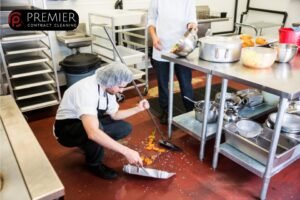
- Clean spills immediately: Address spills as soon as they occur. Use a mop or absorbent material to clean up liquids.
- Use appropriate signage: Place “Wet Floor” signs in areas being cleaned or where spills have occurred.
- Invest in non-slip mats: Place non-slip mats in high-risk areas, such as near sinks and cooking stations.
- Maintain proper footwear: Ensure that all staff wear non-slip shoes. This provides better traction and reduces the risk of slipping.
Regular floor maintenance is also vital. Sweep and mop floors daily to remove debris and grease. Here's a simple schedule for maintaining kitchen floors:
| Task | Frequency |
| Sweep Floors | Daily |
| Mop Floors | Daily |
| Check for Spills | Hourly |
| Inspect Mats | Weekly |
By following these steps, you can ensure a safer working environment for everyone in the kitchen.
Staff Training And Responsibilities
Cleaning a commercial kitchen is a crucial task to ensure food safety and hygiene. One of the key aspects of maintaining a spotless kitchen is effective staff training and clear responsibilities. With well-trained staff, you can ensure that every area of the kitchen is cleaned properly and efficiently, reducing the risk of contamination and promoting a safe working environment.
Assigning Tasks
Properly assigning tasks is essential for a smooth cleaning process. Each staff member should have a specific role, ensuring no area is neglected. Here are a few steps to assign tasks effectively:
- Identify all cleaning tasks: Make a list of all areas and equipment that need regular cleaning.
- Divide tasks by shifts: Assign tasks based on the staff's work hours and shifts.
- Use a cleaning checklist: Create a checklist that includes all tasks, ensuring nothing is missed.
To help with task assignments, you can use a table like this:
| Task | Assigned Staff | Frequency |
| Clean countertops | John | Daily |
| Sanitize cooking equipment | Sarah | After each use |
| Mop floors | Mike | End of shift |
Assigning tasks ensures everyone knows their responsibilities. This makes the cleaning process more efficient and thorough. It also helps in accountability, as each staff member is aware of their specific duties.
Training Sessions
Regular training sessions are vital to maintain high cleaning standards. These sessions should cover the importance of cleanliness, how to use cleaning equipment, and the correct procedures for each task. Here's how you can structure your training:
- Initial Training: Provide new hires with a comprehensive training program covering all cleaning tasks and safety protocols.
- Ongoing Training: Conduct refresher courses to keep staff updated on new techniques and regulations.
- Hands-on Practice: Allow staff to practice cleaning tasks under supervision to ensure they understand the procedures.
During training sessions, focus on:
- Proper use of cleaning chemicals and equipment.
- Importance of personal hygiene, such as hand washing.
- Steps to sanitize different kitchen areas, including high-touch surfaces.
Effective training sessions ensure that all staff members are well-prepared to maintain a clean and safe kitchen. By investing in regular training, you can ensure consistency and high standards in your kitchen's cleanliness.
Handling Emergencies
Cleaning a commercial kitchen is a crucial task to ensure health and safety. Emergencies can arise at any moment, and knowing how to handle them is essential. Proper management of spills, contamination, and equipment failures can keep your kitchen running smoothly and safely.
Spills And Contamination
Spills and contamination can occur frequently in a busy commercial kitchen. Quick and effective response to these incidents is vital to maintain a clean and safe environment. Here are some steps to handle spills and contamination:
- Immediate Action: Clean up spills right away to prevent slips and falls. Use absorbent materials like paper towels or specialized spill kits.
- Proper Cleaning Agents: Use suitable cleaning agents for different types of spills. For example, use a degreaser for oil spills and a sanitizer for food contamination.
- Sanitize Affected Areas: After cleaning, sanitize the area to eliminate any harmful bacteria. This is especially important for surfaces that come in contact with food.
- Protective Gear: Wear gloves and aprons to protect yourself from hazardous substances during the cleanup process.
- Waste Disposal: Dispose of contaminated materials properly. Follow local regulations for hazardous waste disposal.
Here is a quick reference table for handling different types of spills:
| Type of Spill | Cleaning Agent | Sanitization Method |
| Oil | Degreaser | Hot water and sanitizer |
| Food | Soap and water | Sanitizer spray |
| Chemical | Neutralizing agent | Specialized chemical sanitizer |
Equipment Failures
Equipment failures can disrupt kitchen operations and pose safety risks. Address these issues promptly to minimize downtime and hazards. Here are steps to manage equipment failures:
- Identify the Problem: Quickly determine which equipment is malfunctioning. Check for error codes or obvious signs of damage.
- Shut Down the Equipment: Turn off the faulty equipment to prevent further damage or accidents.
- Report the Issue: Notify the maintenance team or a professional technician immediately. Provide detailed information about the problem.
- Temporary Solutions: Use backup equipment if available. Rearrange tasks to minimize the impact on kitchen operations.
- Follow Safety Protocols: Ensure all staff are aware of the equipment failure. Follow safety guidelines to avoid accidents.
Here is a checklist to follow during equipment failures:
- Check for power supply issues
- Inspect for visible damage or wear
- Refer to the equipment manual for troubleshooting tips
- Contact professional service if needed
- Log the incident for future reference
By preparing for and effectively managing spills, contamination, and equipment failures, you can maintain a safe and efficient commercial kitchen environment.
Maintaining Standards
Keeping a commercial kitchen clean is crucial for food safety and customer satisfaction. Maintaining standards ensures a hygienic environment, reduces the risk of contamination, and complies with health regulations. Regular inspections and a robust feedback mechanism are key components in achieving these standards.
Regular Inspections
Conducting regular inspections is vital. It helps identify potential issues early and maintain hygiene standards. Here are some steps to ensure effective inspections:
- Daily Checks: Inspect high-touch areas like countertops, cooking equipment, and sinks daily.
- Weekly Deep Clean: Schedule a deep clean for less frequently used areas like storage rooms and refrigerators.
- Monthly Assessments: Perform a comprehensive inspection of the entire kitchen once a month.
Use an inspection checklist to ensure no area is overlooked:
| Area | Frequency | Notes |
| Countertops | Daily | Sanitize after each shift |
| Cooking Equipment | Daily | Check for grease buildup |
| Storage Rooms | Weekly | Organize and clean shelves |
| Refrigerators | Weekly | Check for expired items |
| Entire Kitchen | Monthly | Comprehensive cleaning |
Regular inspections help keep the kitchen clean and safe. They ensure compliance with health regulations.
To Get The Best Commercial Cleaning Services - Click Here
Feedback Mechanism
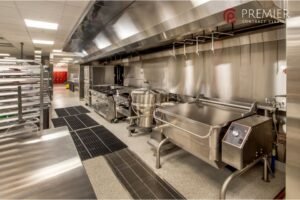
A feedback mechanism is essential for maintaining standards in a commercial kitchen. It allows staff to report issues and suggest improvements. Here are ways to implement an effective feedback system:
- Anonymous Surveys: Use anonymous surveys to gather honest feedback from staff.
- Suggestion Box: Place a suggestion box in a common area where staff can drop their ideas and concerns.
- Regular Meetings: Hold regular meetings to discuss feedback and address any issues.
Encourage staff to share their thoughts by rewarding constructive feedback. Create a reward system for the best suggestions. This can include small gifts or recognition in team meetings.
Use feedback to improve cleaning protocols. If staff notice certain areas are often dirty, adjust the cleaning schedule. Implement changes based on feedback to enhance kitchen hygiene.
Document feedback and actions taken. This helps track progress and ensures accountability. A feedback mechanism fosters a culture of continuous improvement. It helps maintain high standards of cleanliness.
Frequently Asked Questions
How Often Should A Commercial Kitchen Be Cleaned?
A commercial kitchen should be cleaned daily. Deep cleaning should be done weekly or monthly. Regular cleaning ensures hygiene and safety.
What Are The Essential Cleaning Supplies?
Essential cleaning supplies include degreasers, sanitizers, sponges, mops, and brushes. Use food-safe cleaning products for surfaces in contact with food.
How To Clean Kitchen Hood Filters?
Remove filters and soak them in hot, soapy water. Scrub with a brush, rinse thoroughly, and dry before re-installing.
Why Is Sanitizing Surfaces Important?
Sanitizing surfaces kills harmful bacteria and viruses. It prevents food contamination and ensures a safe cooking environment.
Conclusion
Cleaning a commercial kitchen is essential for safety and hygiene. Follow these steps regularly. This ensures a clean, efficient workspace. Remember, clean surfaces prevent contamination. Always use proper cleaning tools. Train your staff on best practices. Consistency in cleaning routines is key.
Your kitchen will stay in top shape. A clean kitchen boosts productivity. It also keeps health inspectors happy. Prioritize cleaning and see the benefits. Keep your commercial kitchen spotless and safe. Happy cleaning!
To Get The Best Commercial Cleaning Services - Click Here

The fire itself lasted minutes. An electrical fault in a printer corner of a Dublin 2 office, caught early, out before the fire brigade even finished checking the building. The soot was a different story. The next morning the office manager found a grey film on desks two rooms away and black webs hanging in […]
A few winters ago, our phone rang at ten past six in the morning. A facilities manager on the other end, standing outside a ground floor office near the Dodder, trying to keep his voice level. The water had come in overnight and gone back out on its own. What it left behind was worse […]
A property manager at a multi tenant office block near Grand Canal Dock rang us on a Tuesday, standing in the bin store while he talked. The mixed dry recycling for the whole building had been tagged as contaminated two collections running, with a surcharge attached both times, and now the bin was overflowing into […]