

A showroom manager on a main road on Dublin's southside rang us at 7.40am one morning. He had just opened up to find silver tag lines sprayed across his fascia and a crack running through one glass panel. His first instinct, he admitted later, was to send a staff member out with a bottle of […]
The Complete Retail Store Cleaning Checklist for Dublin Shops and Showrooms
A shop can look spotless at nine in the morning and tired by three in the afternoon. We see it constantly across Dublin retail floors. The fix is rarely more scrubbing. It is a layered routine that holds presentation through the whole trading day.
Quick answer: A retail store cleaning checklist should cover entrances, the sales floor, glass and displays, fitting rooms, high-touch points, restrooms and back-of-house areas. Clean high-touch and customer-facing zones daily, run deeper tasks weekly, and book restorative work like floor care and carpet extraction monthly. Add one short midday pass to keep the store sharp when footfall peaks.
This guide gives you the full checklist, clear frequency logic, a midday routine most stores skip, and a printable version you can put to work today. We have written it from years of cleaning Dublin shops and showrooms, so the advice is practical rather than theoretical.
What Should Be on a Retail Store Cleaning Checklist?
Every retail checklist breaks into three groups: customer-facing zones, high-touch points, and back-of-house areas. Get those three right and the store reads as clean from the door to the stockroom.
Here is what belongs in each group.
The Customer-Facing Zones
These are the areas a customer sees and judges first. They carry the most weight for your brand.
- Entrance, doors and entrance matting
- Sales floor and aisles
- Window glass, both sides where reachable
- Display units, shelving fronts and counters
- Fitting rooms, mirrors and seating
In our experience, the entrance and the glass do the heavy lifting for first impressions. A smudged door and a gritty mat can undo an otherwise tidy floor.
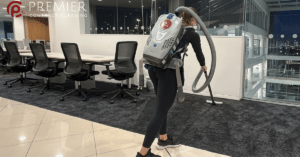
The High-Touch Points That Spread Germs
High-touch surfaces look minor, but they are where hygiene actually lives. They need wiping far more often than the floor does.
- Door handles and push plates
- Card terminals and self-checkout screens
- Counter tops and service desks
- Baskets, trolley handles and stair rails
- Light switches and shared pens
A quick wipe of these points through the day does more for customer confidence than a single deep clean at night.
The Back-of-House Areas
Customers never see the stockroom, but staff feel it, and standards slip when the back is neglected. A clean back-of-house keeps the whole operation honest.
- Stockroom floors and shelving
- Back office and desks
- Staff breakroom and kitchenette
- Staff restroom and bins
- Goods-in area and waste storage
We always tell clients that a tidy stockroom protects the shop floor. Dust and clutter migrate forward if the back is left to drift.
How the Checklist Changes for a Showroom
A showroom sells on presentation, so the checklist shifts toward surfaces that catch the eye. Glass, floors and feature displays matter more than sheer square footage.
- Large glass panels and entrance facades need streak-free attention
- High-gloss or polished floors show every mark, so they need gentle, frequent care
- Feature displays and high-value stock need dusting without disturbing the setup
- Touchpoints are fewer but higher value, so handle them with care
You can see how we approach this on our showroom cleaning in Dublin page.
How Often Should You Clean Each Area? (Daily, Weekly, Monthly)
Clean high-touch and customer-facing areas every day, deeper tasks every week, and restorative tasks every month. The skill is matching effort to how fast each area gets dirty.
This table sets out a simple working rhythm.
| Frequency | Tasks |
| Daily | Entrance and mats, sales floor, glass spot-clean, high-touch wipe-down, restrooms, bins, midday pass |
| Weekly | Full glass clean, detailed dusting, fitting room deep wipe, edges and skirting, stockroom tidy |
| Monthly | Floor stripping and sealing, carpet extraction, high dusting, vents and light fittings, upholstery refresh |
Treat this as a starting point. A busy city-centre store will often pull a few weekly tasks into the daily routine.
The Daily Retail Cleaning Routine (Open, Trade, Close)
Split the day into three short blocks so cleaning never piles up. Each block has a clear job.
At open, reset the store: floors clear, glass clean, mats straight, restrooms stocked. During trade, hold the line with light passes. At close, do the proper clean while the floor is empty.
The Midday Maintenance Pass That Most Stores Miss
The afternoon slump is real, and it is the single biggest gap we see. A five to ten minute pass at midday keeps the store looking like it did at open.
Focus the pass on the things that fade fastest:
- Wipe entrance glass and door handles
- Spot-mop tracked-in dirt near the door
- Straighten and check the entrance mat
- Quick fitting room and mirror check
- Empty any overflowing front bins
Most stores clean hard at night and never touch the floor at midday. That is exactly why they look tired by three.
The Weekly Deep-Clean Tasks
Weekly tasks catch what daily passes cannot reach. They stop slow build-up from ever becoming visible grime.
This is the week for full window cleaning, detailed dusting of shelves and displays, skirting and edges, and a proper fitting room reset. Our commercial window cleaning sits naturally in this slot.
The Monthly and Periodic Tasks
Monthly work restores surfaces rather than just maintaining them. This is where floors and soft furnishings get their condition back.
Book floor stripping and sealing for hard floors, carpet extraction for carpeted areas, high dusting for vents and light fittings, and an upholstery refresh for seating. These tasks protect your fit-out and push back the day you need to replace it.
How we sequence a busy Dublin store: We open with a full reset, run light passes during peak hours, add a midday pass around lunchtime when footfall climbs, then complete the deep clean after close. The result is a store that never has a long stretch where presentation drops.
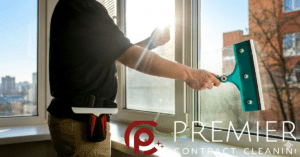
How Do You Keep a Shop Clean During Opening Hours?
Use short, discreet maintenance passes on the entrance, glass and high-touch points while customers are in. The goal is quiet upkeep, not disruptive cleaning.
Keep equipment tucked away and move with the flow of the floor. A cleaner working calmly at the edges barely registers with shoppers.
Managing Dublin Weather at the Entrance
Dublin weather decides how your entrance looks more than anything else. Rain, grit and wet shoes get tracked straight onto your floor.
Strong matting is your first line of defence. Use a long enough mat run to take several steps, check it through the day, and spot-mop the area just inside the door.
In wet spells, a wet floor sign and a quick mop reduce slip risk and keep the entrance presentable. This is basic slip prevention, and it matters for safety as much as for looks.
Keeping Fitting Rooms and Mirrors Presentable Through the Day
Fitting rooms turn over fast and show wear quickly. A clear mirror and a tidy floor are what customers remember.
Reset hooks, clear the floor, and wipe mirrors during your midday pass. A fingerprinted mirror in a fitting room quietly undoes the work you did everywhere else.
What Is Different About Cleaning a Showroom?
Showrooms sell on presentation, so glass, floors and feature displays carry more weight than in a general shop. The square footage may be large, but the eye lands on a few key surfaces.
That changes where you spend your time. You polish and protect rather than simply tidy.
High-Gloss Floors and Large Glass Surfaces
Polished and high-gloss floors show every scuff and streak. They need the right method and frequent, gentle attention rather than aggressive scrubbing.
Large glass panels tell the same story. Streak-free glass is what makes a showroom look expensive, so it needs proper technique and clean water.
Protecting High-Value Stock and Display Pieces
Showroom stock is often expensive and arranged with real care. Cleaning around it means dusting without knocking the setup or risking damage.
We train our teams to work around displays gently and put everything back exactly as it was. Care here protects both the stock and the look the brand worked hard to create.
Should You Clean In-House or Hire a Professional?
Handle daily upkeep in-house, and bring in a professional for deep cleaning, floors, glass and consistency across a busy or multi-site operation. Size, footfall and the standard you need decide the line.
Here is a simple way to think it through.
What Staff Can Handle Day to Day
Your team can manage the light, frequent work without much trouble. This keeps the store presentable between professional visits.
- Daily high-touch wipe-downs
- Entrance and mat checks
- Spot-mopping and tidying
- Restocking restrooms
- The midday maintenance pass
When a Professional Retail Cleaning Service Makes Sense
A professional service earns its place when the work becomes too big, too technical, or too important to leave to chance. The usual triggers are clear.
- High footfall that wears the floor quickly
- Multiple sites that need one consistent standard
- Specialist tasks like floor sealing or carpet extraction
- Limited staff time, so cleaning eats into selling
- A brand image that cannot afford an off day
What a Professional Service Should Include
Not every cleaning company offers the same thing. When you compare providers, look for the points that actually protect you.
- Trained, vetted cleaners
- A site-specific checklist, not a generic one
- Regular inspections and quality checks
- Full insurance cover
- Cover when a regular cleaner is off sick
We cover how to weigh these factors across our commercial cleaning services.
Health, Safety and Compliance for Retail Cleaning in Ireland
Retail premises in Ireland fall under workplace cleanliness duties enforced by the Health and Safety Authority. A shop is a workplace, so cleanliness and slip prevention are legal obligations, not just good practice.
You do not need to be an expert in regulation. You do need a clean, safe floor and a record that shows it.
HSA Workplace Cleanliness and Slip Prevention
Under the Safety, Health and Welfare at Work (General Application) Regulations 2007, workplaces must be kept clean and free from slip and trip hazards. Wet entrances in Dublin weather are the obvious risk to manage.
You can read the workplace guidance directly on the Health and Safety Authority website. Good matting, prompt mopping and clear signage cover most of the day-to-day risk.
Why Documented Cleaning Helps Your Business
A documented cleaning schedule does two jobs. It keeps standards consistent, and it gives you a record if a slip or a hygiene complaint ever arises.
We provide documented schedules and inspection records as standard. If a question is ever raised, you have a clear audit trail to point to.
How Premier Contract Cleaning Keeps Dublin Stores Customer-Ready
We keep Dublin stores sharp with tailored checklists, trained and vetted staff, a consistent team, and that midday pass most cleaners skip. Presentation is a silent salesperson, and our job is to keep it working all day.
A little about us. Premier Contract Cleaning is a family-run Dublin company with close to a decade of work, over 2,000 projects completed, and more than 100 five-star Google reviews. Our motto is simple: clean with pride.
Our Approach to Retail and Showroom Cleaning
Every site gets a free survey and a checklist built around its layout and footfall, never a copy-paste plan. The same assigned team cleans your store each visit, so they learn its quirks.
Our staff are BICSc-trained and Garda vetted, and we carry full public and employer's liability insurance. If your regular cleaner is off sick, we send cover, so your schedule never breaks. We use eco-friendly, biodegradable products that leave no harsh residue, which matters around stock and customers, and we handle washroom hygiene and back-of-house areas as part of a full contract.
A pattern we see often: A retailer comes to us because their store looks great at open and tired by mid-afternoon. We add a midday pass and sequence the day properly. The store then holds its presentation right through to close, and staff get to focus on selling instead of cleaning.
Your Printable Retail Store Cleaning Checklist
Here is a clean checklist you can copy, print or adapt for your store. Work through it daily, weekly and monthly.
Daily
- [ ] Clean entrance, doors and glass
- [ ] Check and straighten entrance matting
- [ ] Sweep or mop the sales floor
- [ ] Wipe high-touch points (handles, terminals, counters)
- [ ] Tidy and reset fitting rooms
- [ ] Clean and stock restrooms
- [ ] Empty bins
- [ ] Midday maintenance pass
Weekly
- [ ] Full window and glass clean, both sides
- [ ] Detailed dusting of shelves and displays
- [ ] Deep wipe fitting rooms and mirrors
- [ ] Clean skirting, edges and ledges
- [ ] Tidy and clean stockroom
- [ ] Clean breakroom and staff areas
Monthly and Periodic
- [ ] Floor stripping and sealing (hard floors)
- [ ] Carpet extraction (carpeted areas)
- [ ] High dusting of vents and light fittings
- [ ] Upholstery and seating refresh
- [ ] Deep clean restrooms
Want this as a tailored plan for your store? We can build one around your layout and trading hours. Request your free site survey.
Frequently Asked Questions
What should be on a retail store cleaning checklist?
A retail checklist should cover entrances and matting, the sales floor, glass and displays, fitting rooms, high-touch points, restrooms and back-of-house areas. Group the tasks into daily, weekly and monthly so nothing slips.
How often should a retail store be cleaned?
Clean high-touch and customer-facing areas daily, run deeper tasks weekly, and book restorative work like floor care monthly. Add a midday pass on busy days to hold presentation through trading hours.
What does a professional retail cleaning service include?
A good service includes trained and vetted cleaners, a site-specific checklist, regular inspections, full insurance, and cover for sick days. Many also handle floors, carpets, glass and washrooms as add-ons.
How do you keep a shop floor clean during opening hours?
Run short, discreet passes on the entrance, glass and high-touch points while customers shop. Spot-mop tracked-in dirt near the door and keep equipment out of the way.
How do you clean a showroom properly?
Focus on streak-free glass, careful attention to high-gloss floors, and gentle dusting around feature displays. Showrooms sell on presentation, so those surfaces carry the most weight.
Should I hire a professional cleaner for my shop?
Hire a professional when footfall is high, you run multiple sites, you need specialist tasks like floor sealing, or staff time is better spent selling. For light daily upkeep, in-house often works fine.
What are the most important areas to clean in a store?
The entrance, glass and high-touch points matter most for first impressions and hygiene. They get dirty fastest, so they need the most frequent attention.
How do you manage dirty entrances in wet weather?
Use a long matting run, check it through the day, and spot-mop just inside the door. Add a wet floor sign during heavy rain to manage slip risk.
How often should retail carpets and hard floors be deep cleaned?
Most retail floors benefit from monthly carpet extraction or floor stripping and sealing, depending on footfall. High-traffic stores may need it more often to protect the surface.
Are eco-friendly products effective for retail cleaning?
Yes. Modern biodegradable products clean to a high standard and leave no harsh residue, which is safer around stock, staff and customers.
How much does retail cleaning cost in Dublin?
Cost depends on store size, footfall, frequency, and any specialist tasks like carpet or window cleaning. The fairest way to price it is a free site survey, so the quote matches your actual store.
How quickly can a cleaning company assess my store?
A reputable Dublin provider can usually arrange a free site survey within a few days. The survey is where your tailored checklist and pricing come from.
Who is responsible for cleanliness in a retail workplace in Ireland?
The employer or business operator is responsible under workplace duties enforced by the Health and Safety Authority. That covers general cleanliness and slip prevention on the premises.
Keep Your Store Customer-Ready, All Day
Presentation is a silent salesperson, and consistency is what protects it. A layered routine, plus one honest midday pass, keeps your store looking as good at three as it did at nine.
If you would like a checklist built around your store, we are happy to help. Our survey is free, our pricing is transparent, and there is no pressure to commit.
Premier Contract Cleaning
Call or WhatsApp: 01 963 6655
Email: enquiries@premiercontractcleaning.ie
Address: 13 The Weir, Mount Argus Mill, Dublin 6W, D6W Y660

The fire itself lasted minutes. An electrical fault in a printer corner of a Dublin 2 office, caught early, out before the fire brigade even finished checking the building. The soot was a different story. The next morning the office manager found a grey film on desks two rooms away and black webs hanging in […]
A few winters ago, our phone rang at ten past six in the morning. A facilities manager on the other end, standing outside a ground floor office near the Dodder, trying to keep his voice level. The water had come in overnight and gone back out on its own. What it left behind was worse […]
A property manager at a multi tenant office block near Grand Canal Dock rang us on a Tuesday, standing in the bin store while he talked. The mixed dry recycling for the whole building had been tagged as contaminated two collections running, with a surcharge attached both times, and now the bin was overflowing into […]